Fashion for Cancer x Shentonista — The Gift of a New Day
Featuring
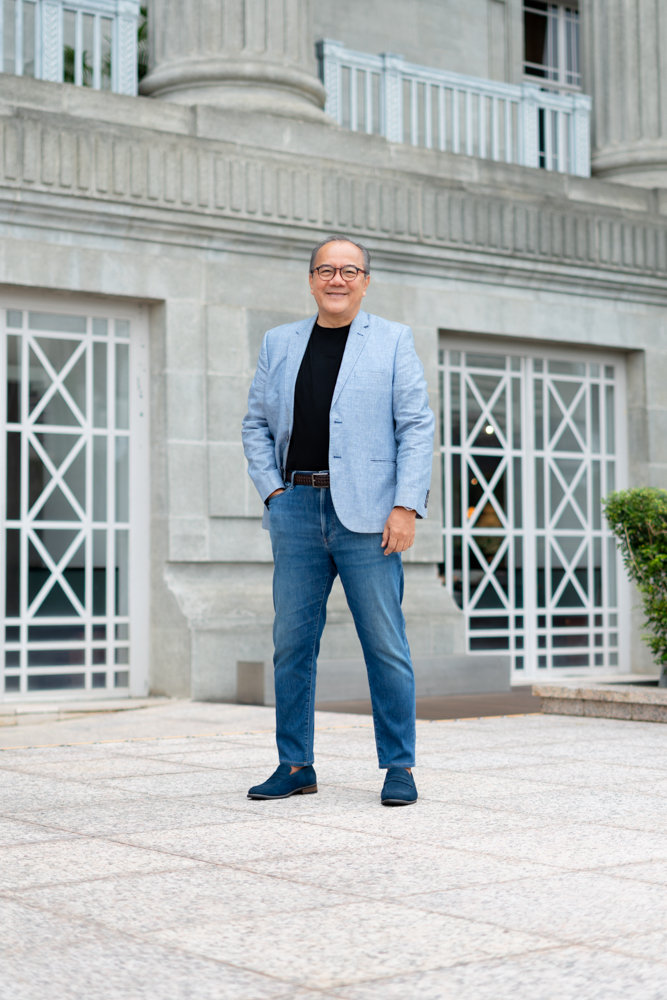
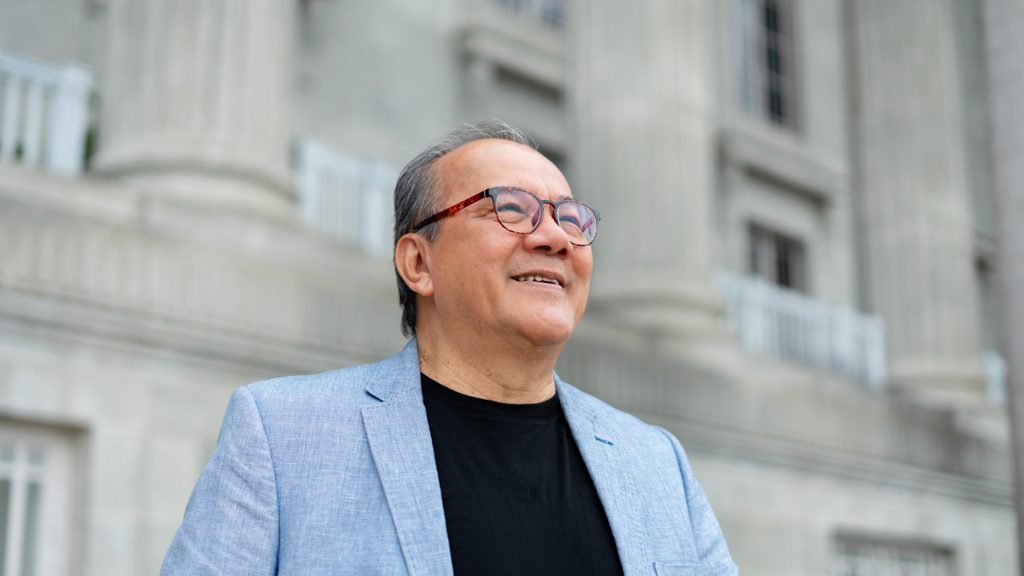
Philip
Retired
When you first received your double diagnosis years ago, what was the first thought that ran through your mind?
The first time, when the doctor said to me, “Oh, you have prostate cancer”, I went a bit numb; I went blank. I started to deny it. I thought, “Maybe it’s a mistake! Are you sure it’s correct? Maybe someone made an error.” But after that, I started to think deeper. “Oh, my god. Am I going to die? How long do I have? What’s going to happen to my family? There are so many things I haven’t done.” All these negative thoughts started coming in.
That was my immediate reaction. But I went back and did a lot of research, and a lot of questioning, and found that it was not as bad. I came to accept it.
The second time, however, was not so bad (laughs). When I went to the doctor’s office and they told me I had thyroid cancer, I just said, “Oh.” And that was it. But definitely, cancer is cancer—it’s a dreadful disease, and it’s certainly life-changing, and you have to respond to that life-changing experience. And that’s how I dealt with it.
The first time you experienced those negative thoughts, what pulled you out of it?
Definitely family support. My wife of 48 years, my children, even the grandchildren—they didn’t fully understand, but they were sympathetic. They said, “I hope you are okay, don’t die.” My granddaughter was more direct; she told me, “I don’t want you to die!” I think family support and friends—I have a circle of very close friends, friends at church—I think this is the support system that kept me going.
How did your loved ones and your community show their support, and how has this phase impacted your relationships?
They were there for me at my lowest point. When I was at the doctor, my wife was there to see the result, and she was similarly affected, I would say. Even the second time, she was there too. Like me, she took it a little bit better than the first time. The children were all supportive; the whole community was supportive of my journey.
Certainly, the family has gotten closer. They’ve always been close, but this whole phase has brought them even closer. They are more concerned about my welfare—to make sure I get enough rest, eat well, and have enough sleep. The usual things that family cares for. Also with the community, friends, and church—every time I go to church, they ask me how I am, and that care and concern is there. It keeps me going. That’s all I have, my support circle.
You mentioned that this experience really changed your priorities in life. How did your outlook change after this?
I think it helps that I am now retired. If I had been working, I think the stress would have been much greater. So now that I am retired, I take things at a more leisurely pace. I think that that’s the way it should be. I’m more appreciative of things, of people, and friends. When one has cancer, it’s so uncertain, and you don’t know how long you have. I am more grateful for every new day, because every new day is a gift. I try to live each day as best as I can.
What are some hobbies you’ve been pursuing lately to keep busy and active?
I used to golf quite a lot—in fact, I golfed about twice or thrice a week. Since my cancer, I’ve stopped for a year now, as the doctor said I shouldn’t overexert or overswing. A few days ago, I went to a golf simulator. That was the closest I could do! I think I’m getting stronger and I hope to be back in a month or two.
I also do a lot of woodworking. I play around with wood; I make things out of wood! Some of the things, actually, I plan to sell to raise funds for Fashion For Cancer (FFC). It’s available on my Instagram (@philouwoodcraft).
What are some of your favourite or most interesting woodworking projects?
My favourite are actually the wooden crosses, which are my strong suit. My daughter runs a café, and I try to make a lot of the things she needs from wood. So over the years, it’s accumulated to a lot of things in the café—table markers, signboards. I also do handyman work; I go down to repair and fix things. But it takes a lot of work and time! Because I don’t really have very specialised equipment, everything is by hand.
I also do things like birdhouses, which are easy. My latest project is a birdhouse that you can assemble yourself, so children can put it together with simple instructions, and they can paint and decorate it after assembling it.
You’ve also found comfort in the FFC community. What was it like meeting other survivors, and what did you take away from it?
I think FFC has exposed me to a group of people, each with their own story. Everyone has a story—some of them are quite severe, and some of them are not so severe. But nevertheless, cancer is a dreadful thing, and all of them have their own experiences and stories to share. Prior to this, I’ve never met a group of cancer patients and survivors each sharing what they’ve gone through. It opened my eyes quite a lot, because you never know how much someone else is enduring or has suffered, and they’re still here, participating, and living life. I think that’s a takeaway that I get from this FFC group.
Lastly, what is the main message or advice you would give to someone facing a similar diagnosis?
Fortunately for me, I caught it early, which is why I advocate for early detection. We must get things checked out. My advantage is that I caught it early, and I did not have to suffer much pain. I did not have to go through the rigours of radiation and chemotherapy, which I know some of my other colleagues did. My experience is comparatively easier, which is why I’m more fortunate in that sense. I was spared all the inconveniences and suffering and pain because of early detection.
So early detection is the main message I would like to advocate. As a personal example, do your blood tests, do your scans, do whatever needs to be done.
This is a feature for Fashion for Cancer 2026, spotlighting 7 cancer survivors and warriors. Founded by Ong Bee Yan, Fashion for Cancer is a charity fashion show aimed at raising funds for cancer research and financial aid. Tickets to the FFC2026 Fashion Show may be sold out, but you can still support the cancer community by donating to the NCCS Cancer Fund here.
Like this? Share it.
What others are saying
There are no comments yet.
Leave a Reply