Fashion For Cancer x Shentonista — It Takes Two
Featuring
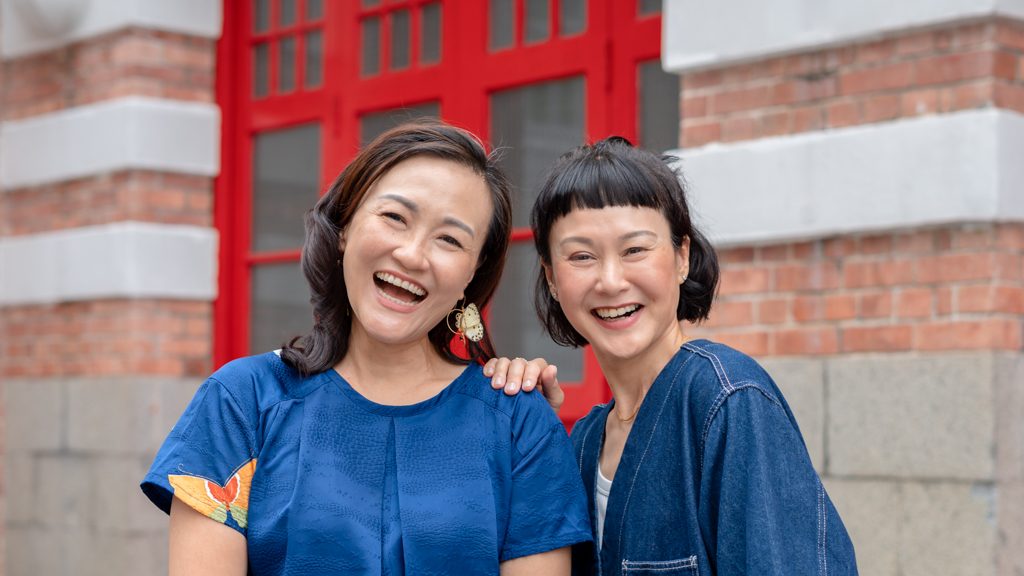
Petrina & Janice
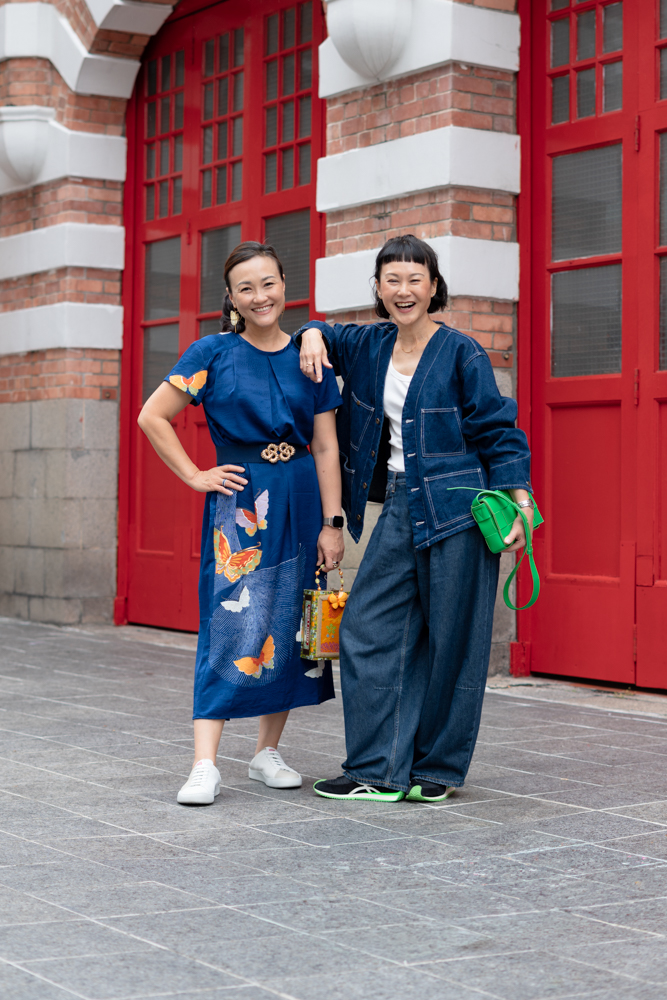
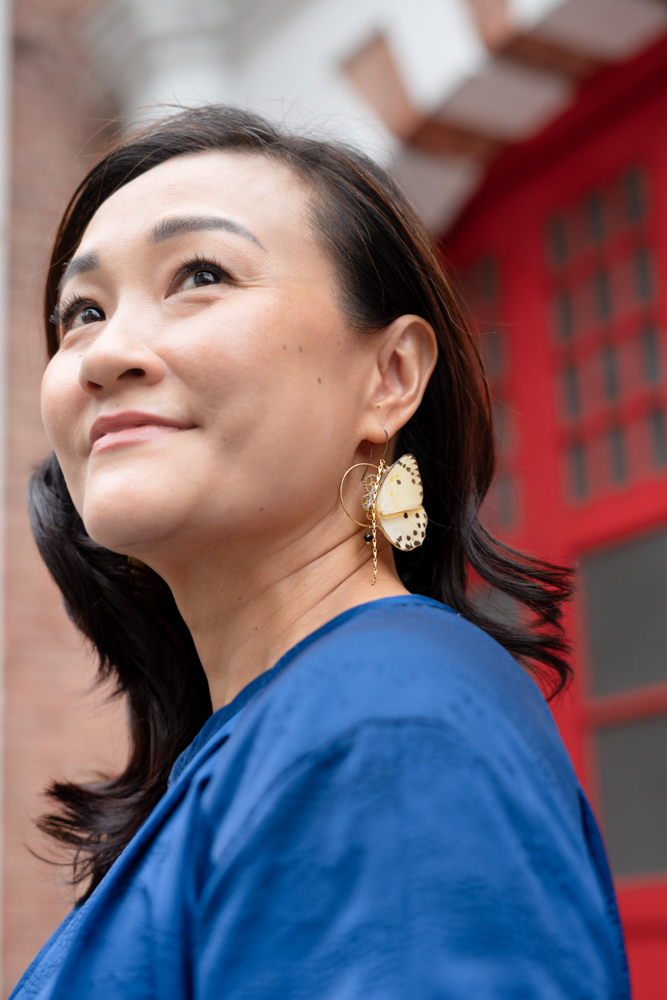
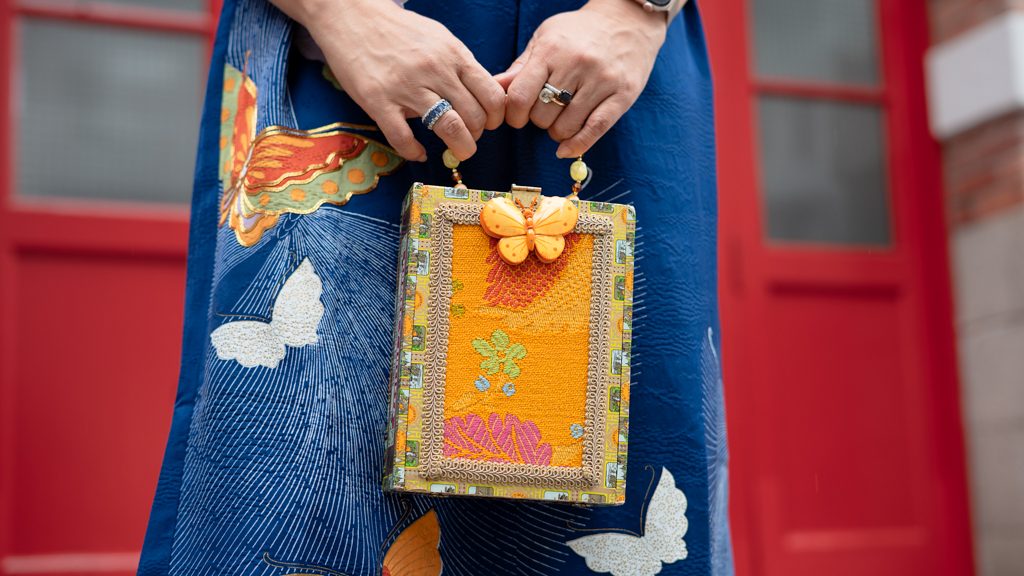
Petrina (left), Voice Coach. Wearing an upcycled Kimono dress, Shoes from Camper, Bag from a local brand, Handmade earrings.
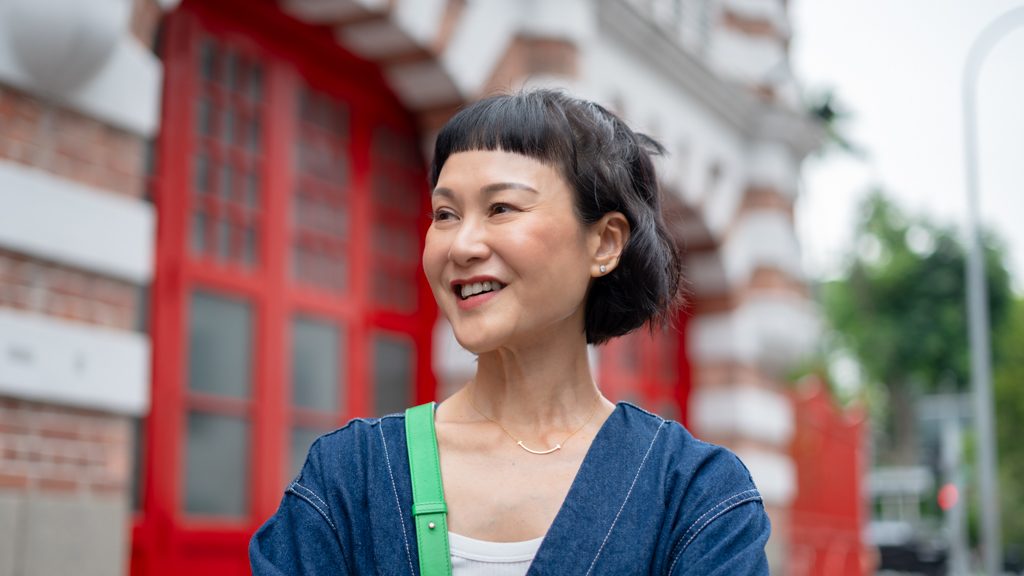
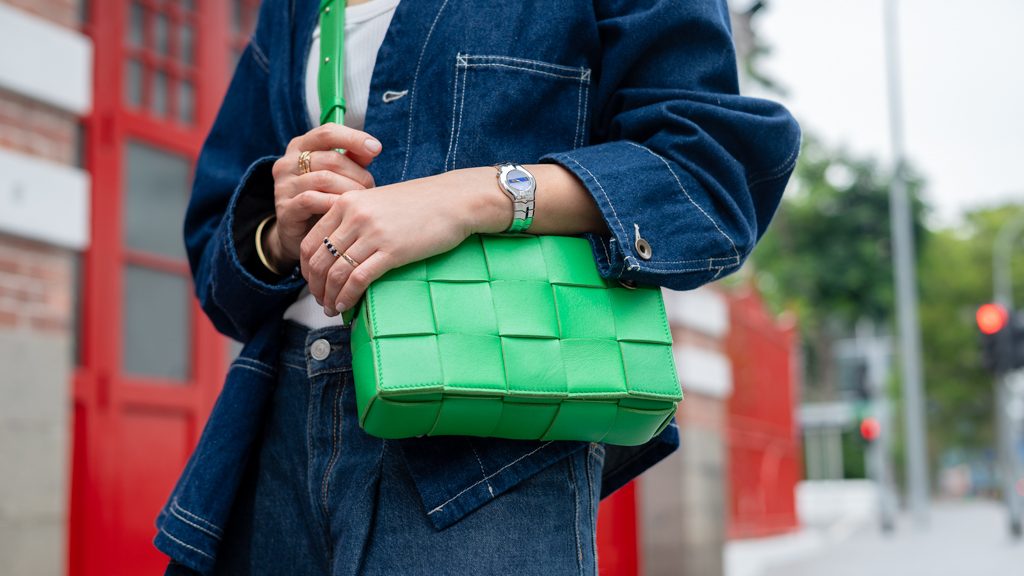
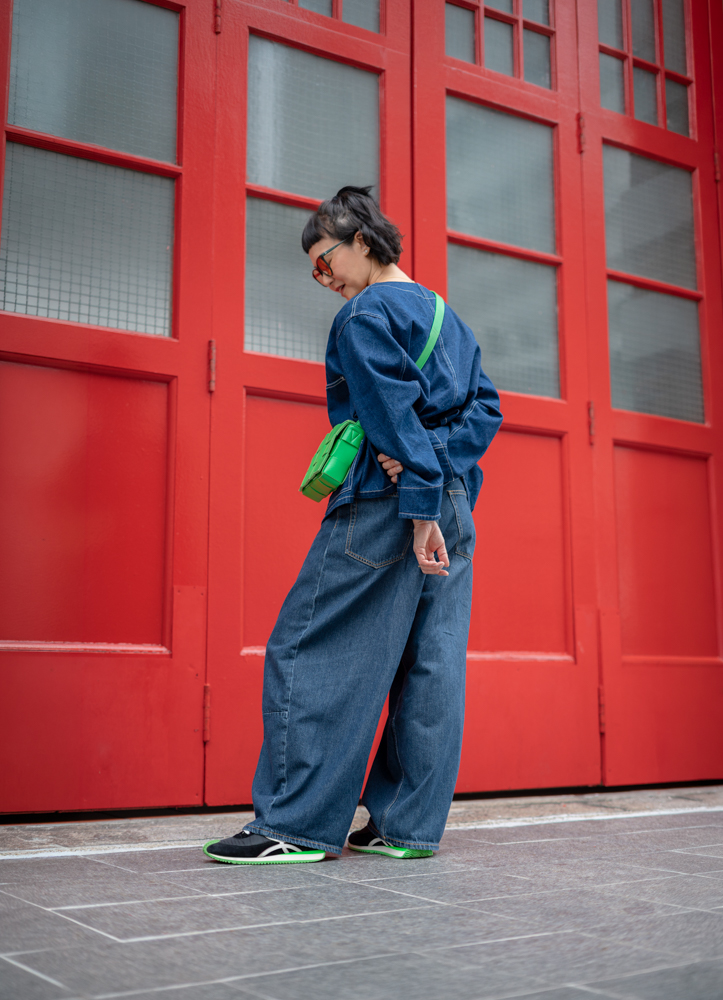
Janice (right), Actress. Top from Uniqlo, Jacket from BEAMS, Jeans from COS, Shoes from Loewe, Glasses from Blue Elephant, Bag from Bottega Veneta.
When you first received your diagnosis, what was the first thought that ran through your mind?
Petrina (P): It was a combination of thoughts. I remember that moment because of the very unique circumstance that I was in—the doctor delivering the news was my old secondary school classmate, and my elder child and my husband were in the room with me. I kind of went into the room with a very steady kind of feeling, like “I think I know what this is”. I hadn’t accepted it yet, but I had a suspicion because we had to do a biopsy to figure it out, and the clinic had called me a day before to come earlier. Clinics don’t usually call to hurry you. I was actually going to meet my friend, so if it’s going to be bad news, I thought I might as well delay it one more day and enjoy myself. I remember just heaving a breath when hearing it—I’m not sure whether it was relief, or just knowing that it is what it is, and now my world is changing. It wasn’t doom and gloom like it was the end of the world, but it was like, okay, what now? I was kind of bracing myself for that.
Janice (J): I think for me, any news like this felt overwhelming. In a very short time, I was fed a lot of information, and I had a lot of questions. But I’m also the kind of person who is a realist by nature, and I remember my mind immediately going to, “What’s next? Who do I need to talk to? Where can I get more information? Is the person delivering the news the best person for me?” After you get over that initial overwhelming stage, for me it was questions and action, because I’m an action-oriented person.
Could you tell us about some of the other struggles that you faced during that time?
J: Because my cancer is tongue cancer, it occurred precisely in an area which I knew would not just affect my expression, but my work and possibly my career. So for me, I think the struggle was two-fold: one was physical, which was in response to surgery and radiation and chemo. That was a struggle, because I could not eat for a few months and swallowing became hard, which I think Petrina also experienced.
And then there was the secondary part, or rather, what I considered the more important long-term struggle of: how do I define myself, how do I rebuild who I am, if my speech was affected, or if I could not speak at all after surgery. And that struggle is a lot more complex, and continues to resonate even until today, long after the physical struggle is over.
P: Weirdly, I think the events of my life leading up to this point were so overwhelming that I found myself in a bit of a tailspin of just trying to manage life. This nasopharyngeal cancer diagnosis brought everything to a halt and made me sort of go, “Okay, you can’t deal with anything else right now, but you have to deal with your body. So go deal with that.” That mental stress I was dealing with was a combination of children, health issues, the busyness of life, and all sorts of things, and it just made me think: I have to stop everything. If I don’t have a body, I can’t function. It has really given me perspective on what I needed to focus on, what was important for me, and everything else just fell away.
So I went into that, just trying to sort each day out. That was very liberating and helpful because all I had to do every day was wake up, complete my treatments, get to the next day, and that was it. In a way, it was very manageable because my life became very small: this is all we’re doing, and there’s nothing else I need to do. But then the challenge came: dealing with all of the physical side of things that all cancer patients have to go through, like getting used to what it means when they fry your body with radiation and drugs.
It must have been really difficult with how it impacted both of your crafts. How did that affect your sense of identity and how did you cope?
J: It made the process of evolving just a lot more conscious. As people, we all grow older and evolve and change, but this very obvious transformation that I had to go through just made the evolution of who I was and am a lot more conscious. I think it’s still hard because there is grief for what I feel I can no longer do, and what I could do that I took for granted. But that, for me, is just part and parcel of being human. So I try to do that with as much compassion and grace for myself as possible, while trying to be courageous about opening new doors, which does involve a little bit of risk-taking because I did what I used to do for three decades, and it’s a hard thing to let go of. I’m not saying I won’t do it, but it takes time to give it a longer leash and not be too attached.
P: For me, it was interesting because it almost felt like this had to happen to me. My mother had cancer 20 years ago, and right after I was diagnosed, my sister was diagnosed with the same cancer. It felt like, “What does this mean for my family to have to go through this?” Your brain does a whole bunch of thinking about what this all means, so personally, I wondered, “Now that this has happened, what am I going to do with it?”
I don’t think we’re ever done with discovering who we are and what we need to do. We keep getting shown a different way, and this episode has taught me not to be too precious now about what I can or cannot do. I was asked to audition for a musical that I rejected based on so many excuses, but the real excuse was that I was afraid that I didn’t have the ability to get on stage and sing again. I wasn’t sure if my body and self were ready to take on that challenge again, so I had some time to process that and think about why I rejected the thing I so wanted to do. I still don’t have the answer, but I thought, how about I go back and practice and play the thing I love to play, instead of seeing it as something I used to be better at? If I liked doing it, why don’t I just do it? It made me more resilient in terms of identity, and I’m very happy now to not be tied to a thing anymore. Maybe there is something else for me, and I’m curious about that.
You both had each other as friends through this journey. How did you find comfort in sharing that weight?
P: Oh, it was huge. I’m going to cry now! I always cry when I talk about this because Janice was with me every step of the way. I was diagnosed first, and she was really a cheerleader for me, checking up on me all the time, following me to radiation. She got me Ensure (a nutritional supplement drink), but I was allergic to it, and projectile vomited (laughs).
But what was really hard for me was that when she was diagnosed, I was away in Los Angeles doing my certification. It killed me that I couldn’t be there for her in the same way. I felt really, really bad; in fact, I felt worse than when I found out my own diagnosis—“why is this happening to Janice, why did they have to cut part of her tongue away, what the f**k,” you know. And I knew it was such a tough and difficult journey, and so part of it was like, how much space do I give her? I don’t want to burden her with my pain, but no matter what, we were always in each other’s corner. When we got better, we just supported each other, with random check-ins and things like just going shopping.
J: Because Petrina got her diagnosis and treatment first, I learnt so much from her process. She is positivity incarnate, and optimism wrapped up in a body, so I saw how that can take you really far in terms of giving you the strength to get through a tough ride. Even though I didn’t have the same type of cancer, the side effects of our treatment were very similar, so witnessing what she went through gave me so much information on what I could take and could not take. I felt so much more psychologically prepared, simply because I had experienced a little bit of what she had experienced.
Petrina has been instrumental in helping me make that shift into discovering who else I am, and what else I can do. I think my journey right now in voice teaching and coaching has so much to do with her influence and her just going, “Come along, try. You don’t know until you do it”. For anyone going through a seminal change, I think sometimes you just have to dip your toes in the pond and wade around, rather than sitting on the side and waiting, because you could sit there for a very long time! And Petrina is a doer, so she just opens the door and goes “Do!” That action has been a game-changer for me. So, thank you, my friend.
What’s something you find inspiring about each other’s strength?
P: If there was a playbook on how to ‘do’ cancer, Janice can write it. Diligently, intelligently, with focus, frameworks, and grace. When I went through it, I just followed what my doctor said. I never once even Googled it. My children Googled and told me things, but I don’t know if it was just from stupidity, or because I didn’t want to have any confusion, so I just ‘do’. But my friend here had second opinions; she went to see the doctor and all the people that were possible to see. That was so inspiring for me, and also just the way she went at it, with such great positivity and “can-do”-ness.
(To Janice) I think you also sometimes shortchange yourself, without realising how tenacious you are! I mean, she knows she’s tenacious, but the grace that she also gives herself a lot of the time is really inspiring. Everything she does, she never does halfheartedly. I find that very inspiring, because I need that more in my life.
J: Ironically, the thing about her that inspires me is the complete opposite! I remember one message I sent Petrina from my hospital bed on day two of my surgery: I said “Eh girl, did you do a lot of research on your cancer while you were going through it?” And she was like, “No!” And I thought, cool! Maybe I should stop. Because there is something about Googling every damn thing and overthinking it too much that makes you look at statistics and go, “I’m going to die tomorrow!”
It’s wonderful to have a certain sense of abandon, and trust in your doctors and the people who know more than you. We can’t control everything, and life is more manageable when you can accept that. I learnt so much from that: to put my phone down, and go, “I have to trust that I am doing the right thing, my doctors know what they’re doing, and I have to leave it in the hands of the universe or God, whoever it may be. I’ve done my best.”
P: We complement each other la!
This is a feature for Fashion for Cancer 2026, spotlighting 7 cancer survivors and warriors. Founded by Ong Bee Yan, Fashion for Cancer is a charity fashion show aimed at raising funds for cancer research and financial aid. Tickets to the FFC2026 Fashion Show may be sold out, but you can still support the cancer community by donating to the NCCS Cancer Fund here.
Like this? Share it.
What others are saying
There are no comments yet.
Leave a Reply